Gallery
Every car detailing before and after on this page is my own work, photographed on a customer’s driveway. No stock photos, no studio, no borrowed results.
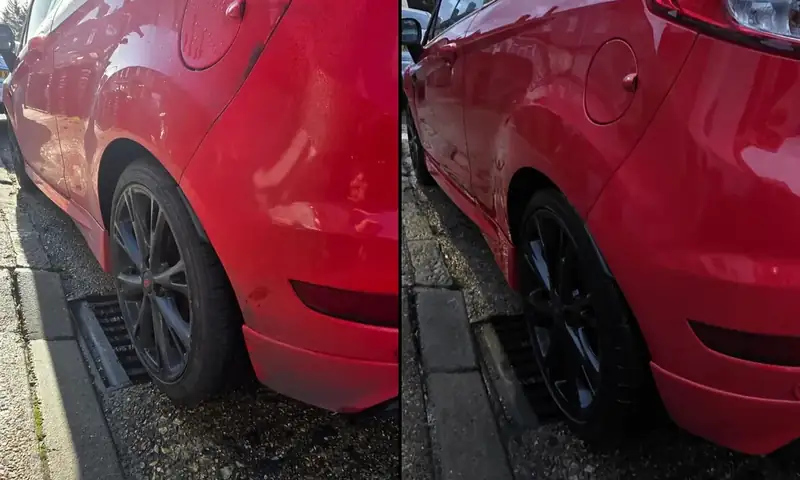
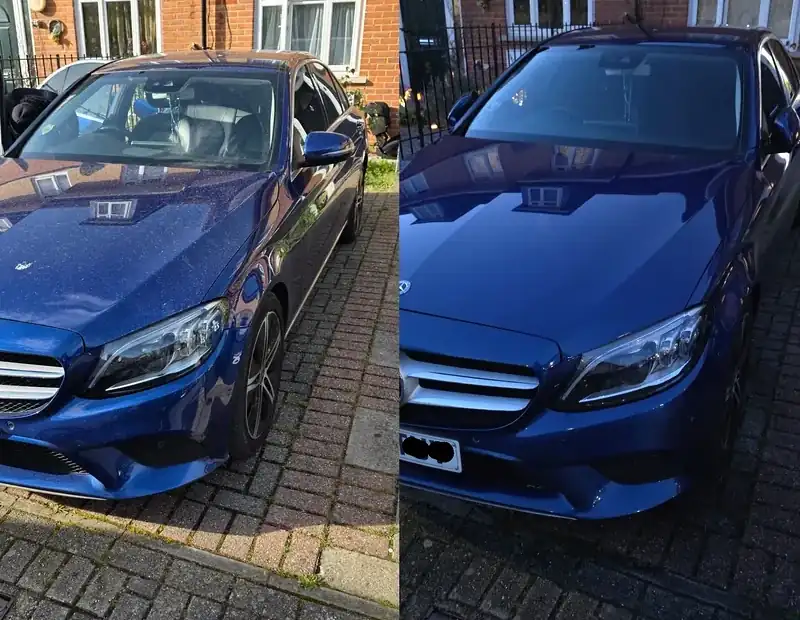
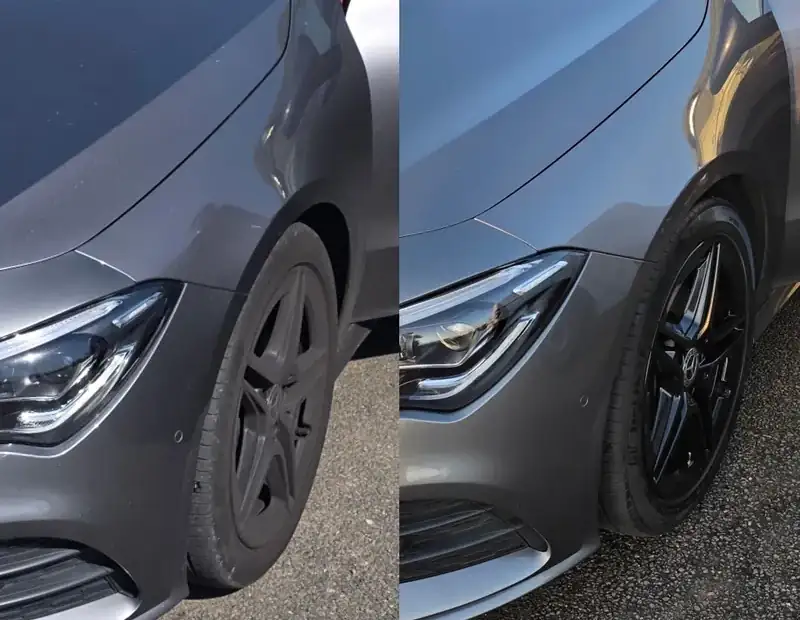
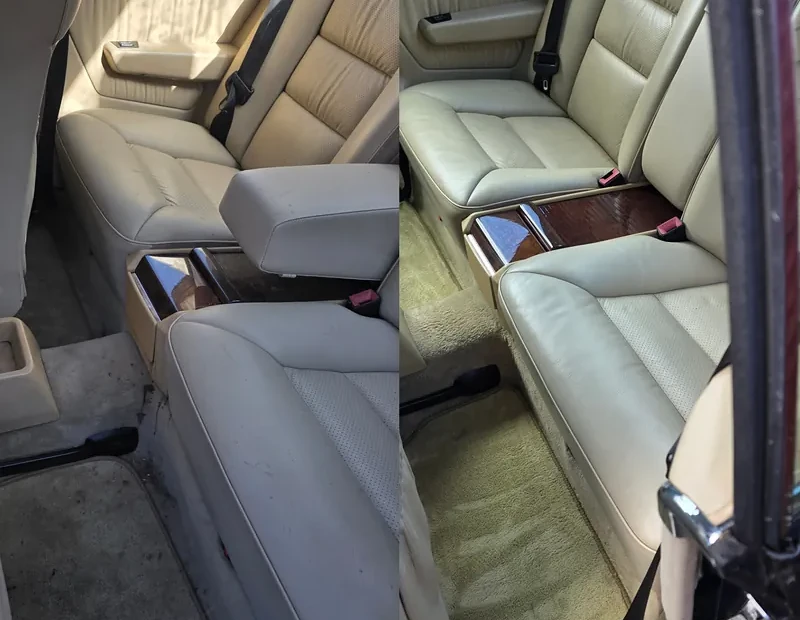
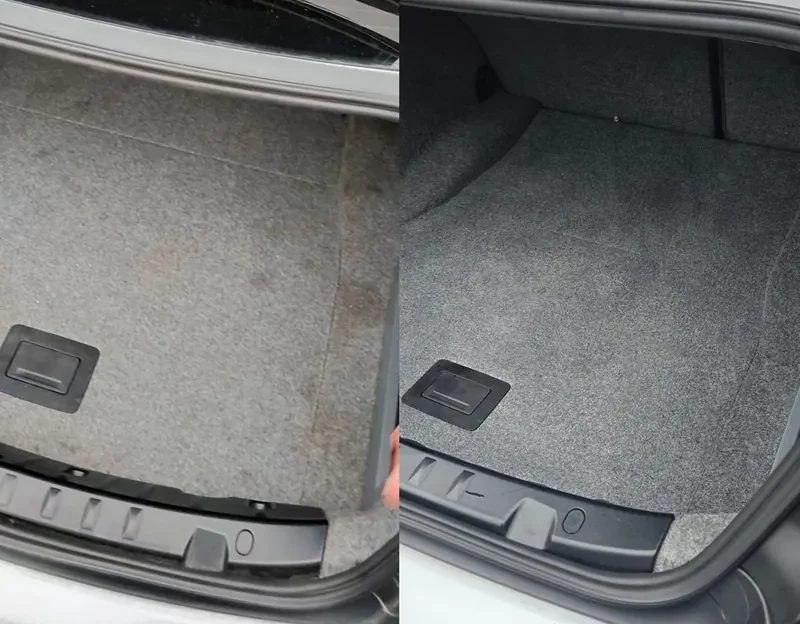
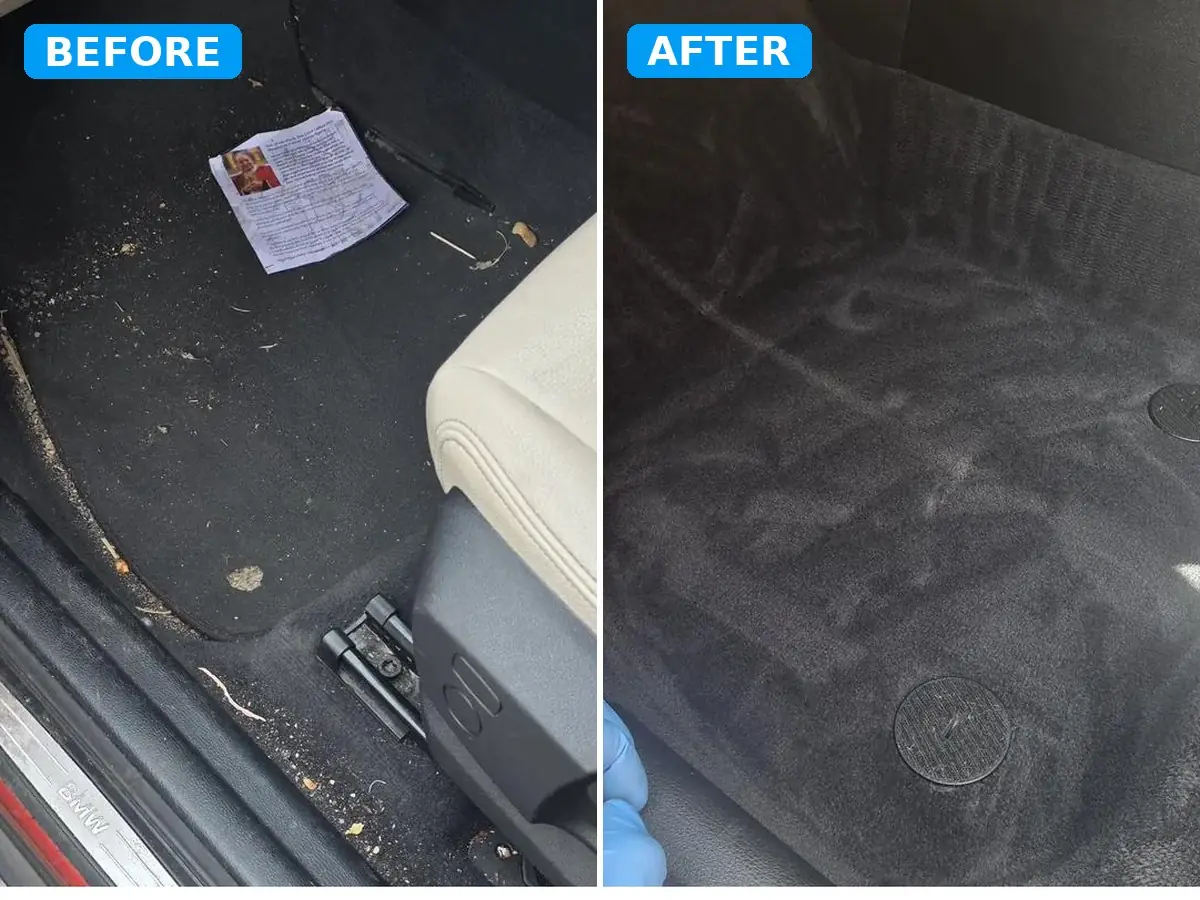
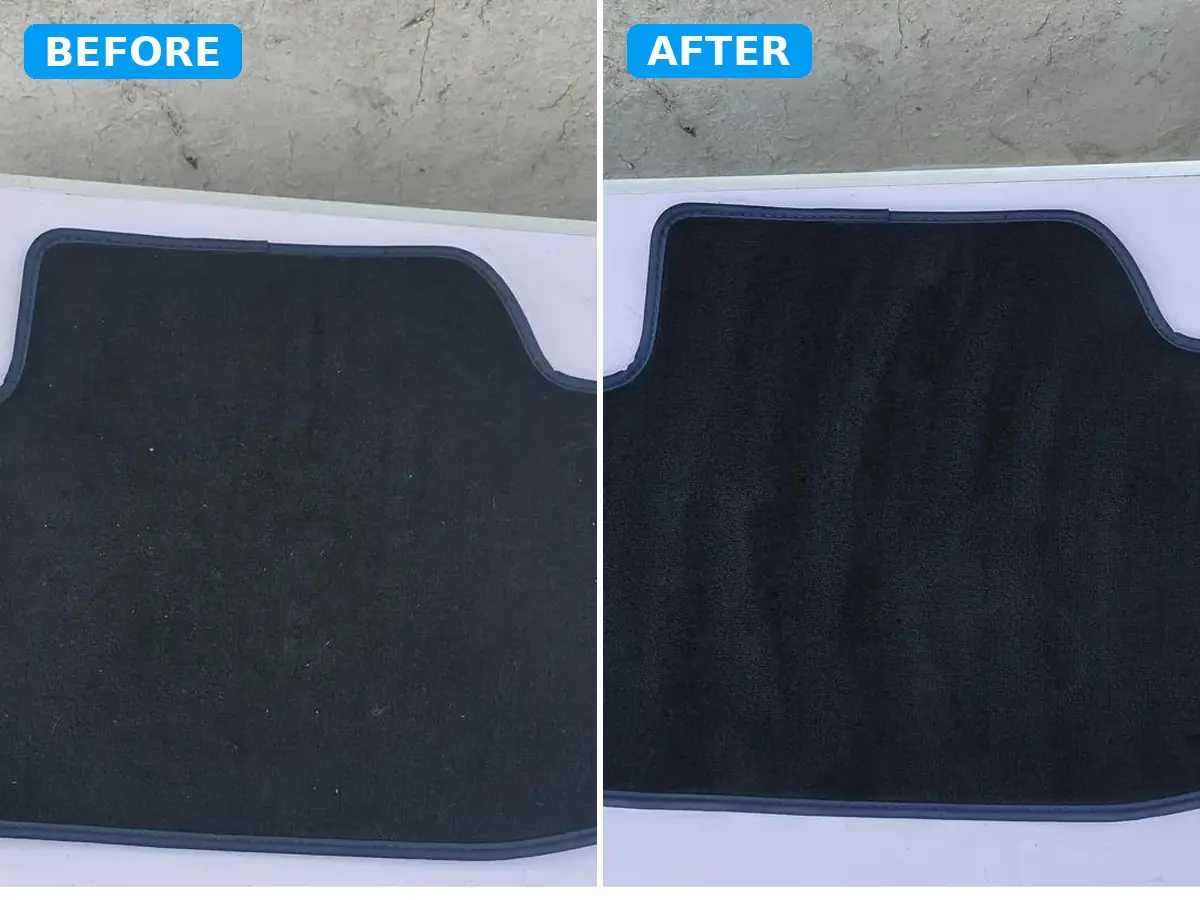
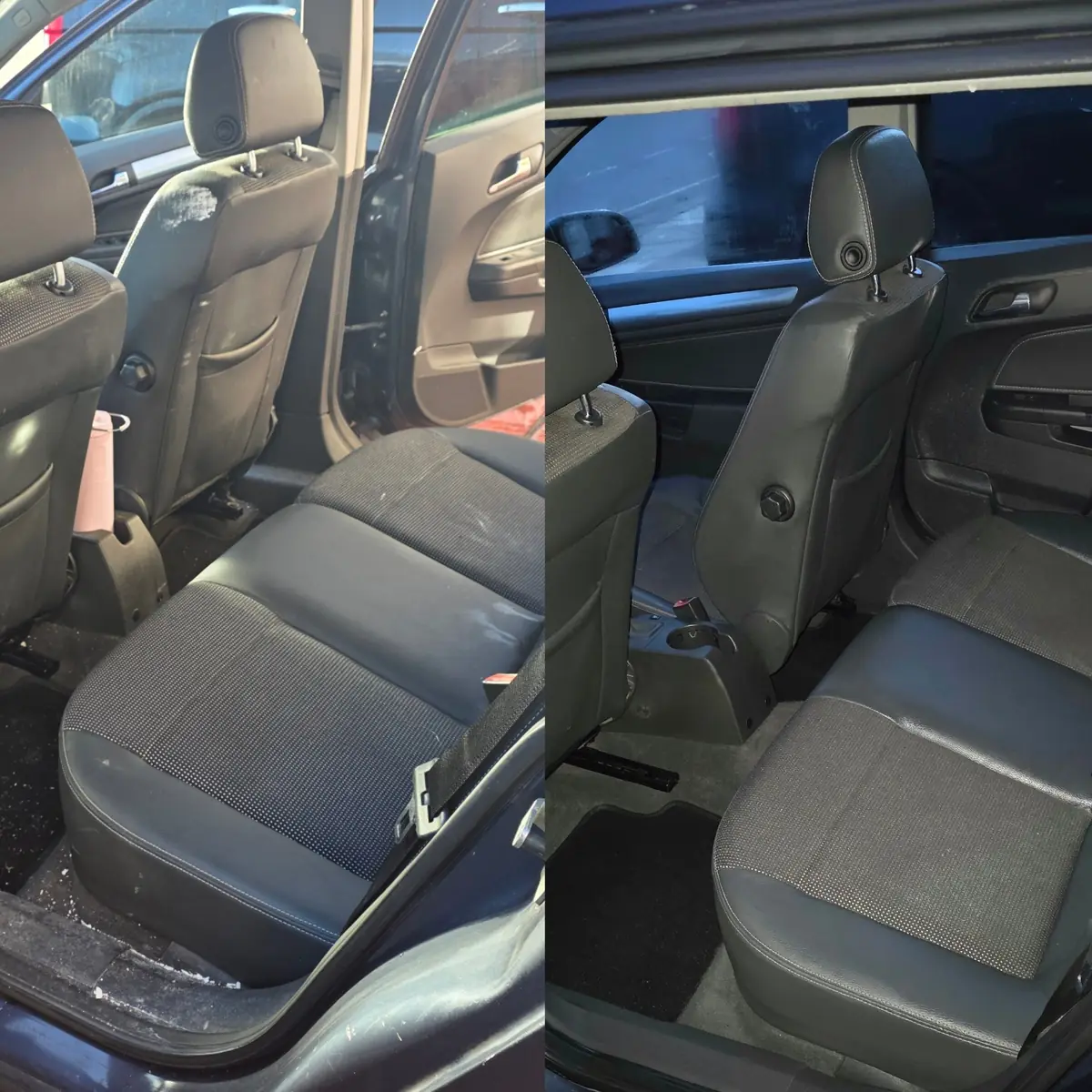
Any car detailing before and after is only as good as the process that got there. This is what actually happens.
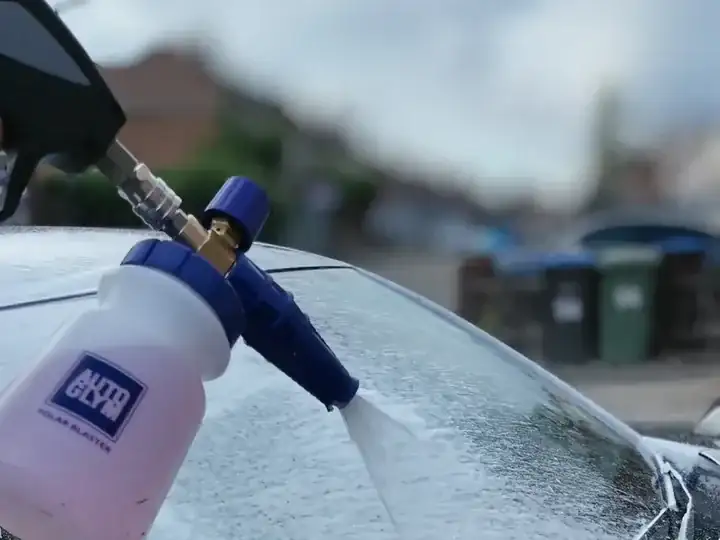
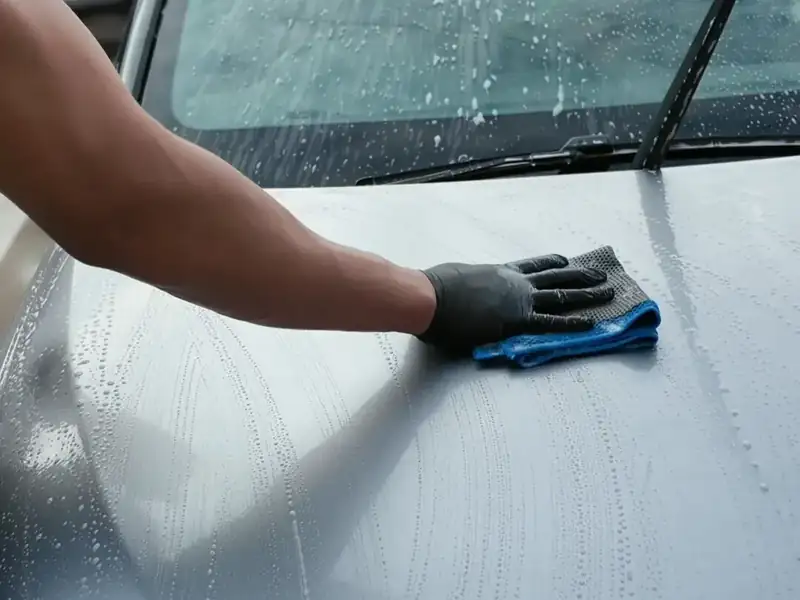
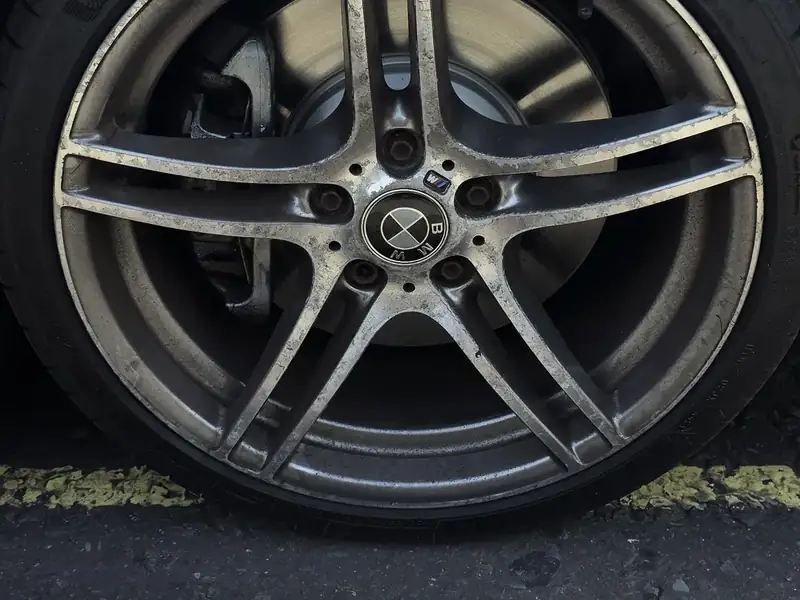
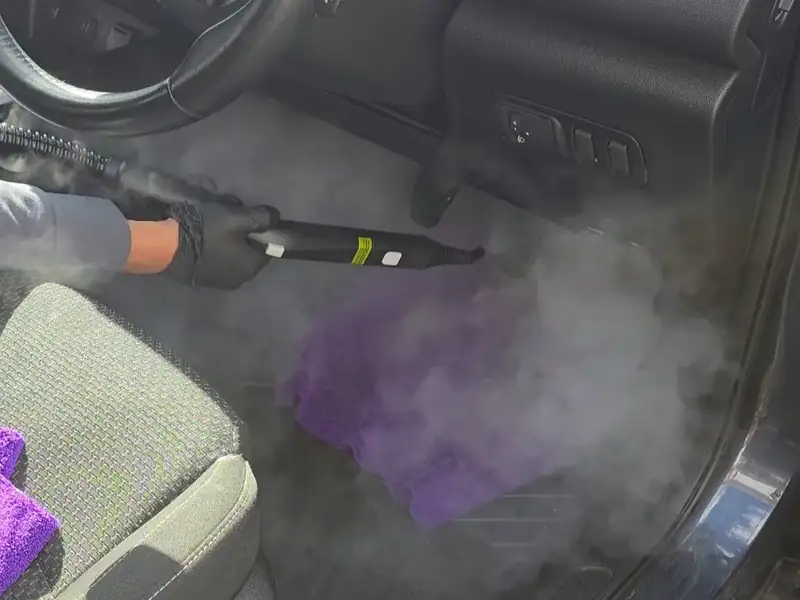
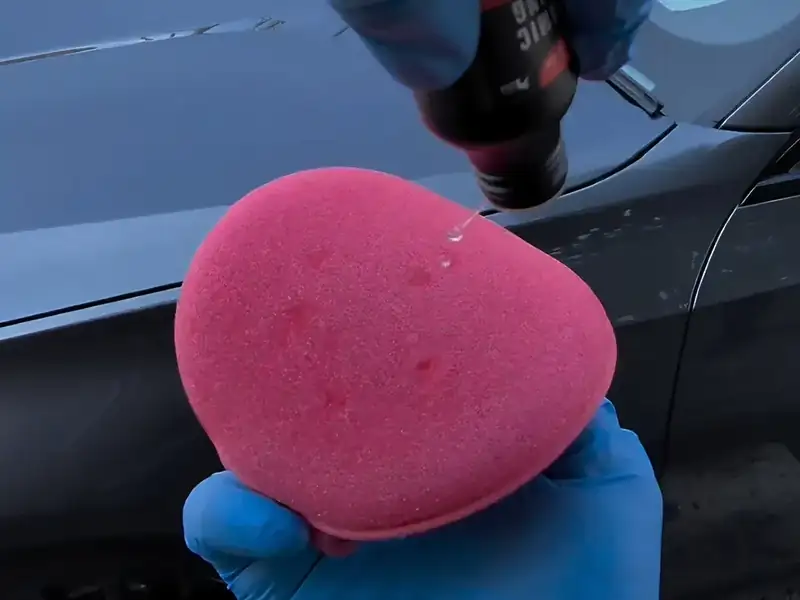
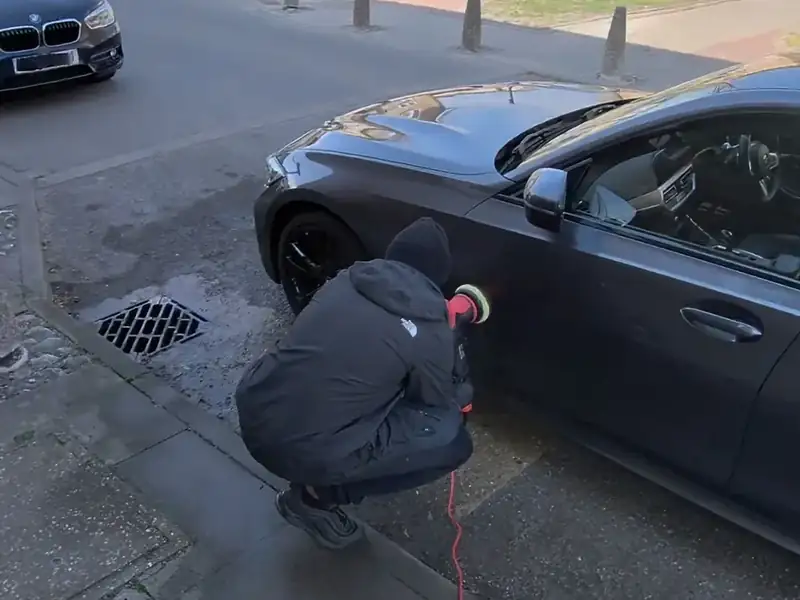
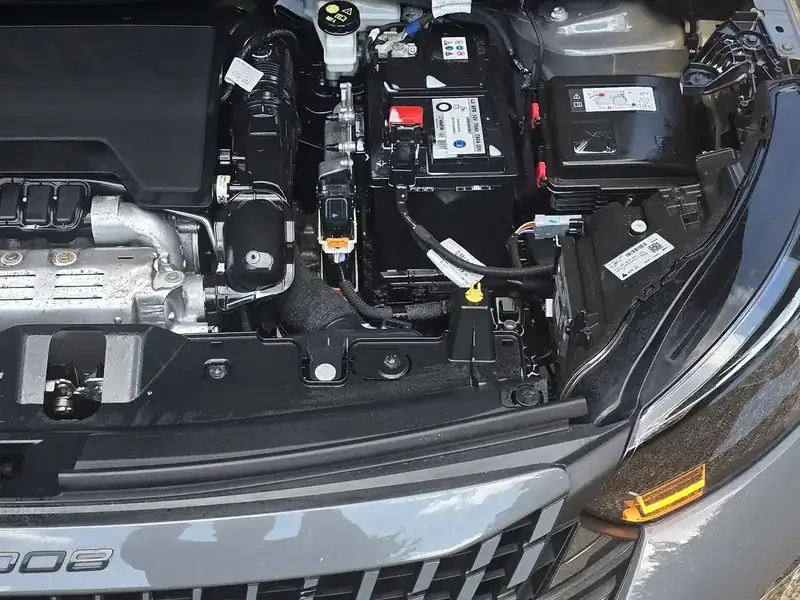
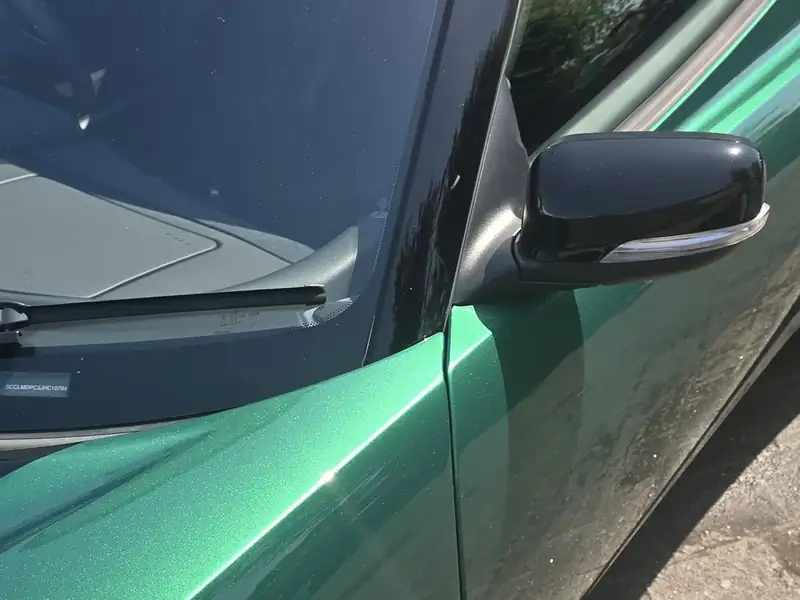
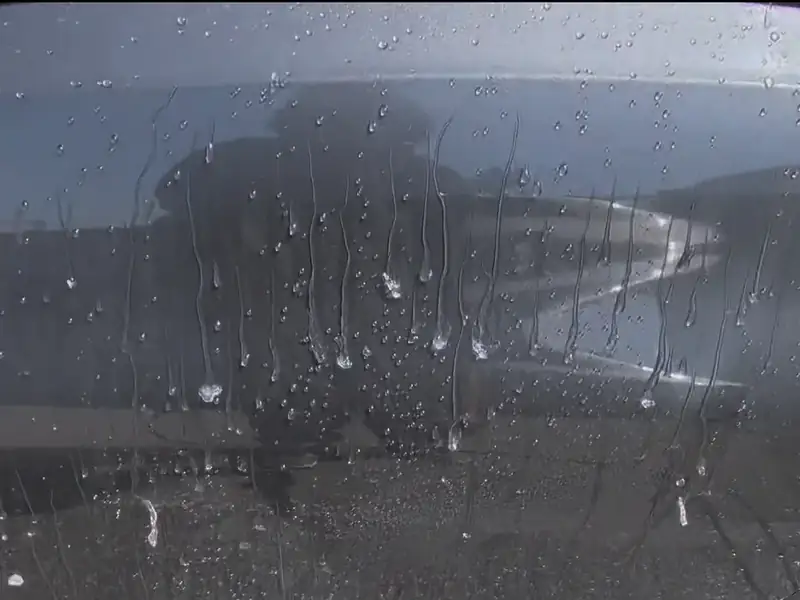
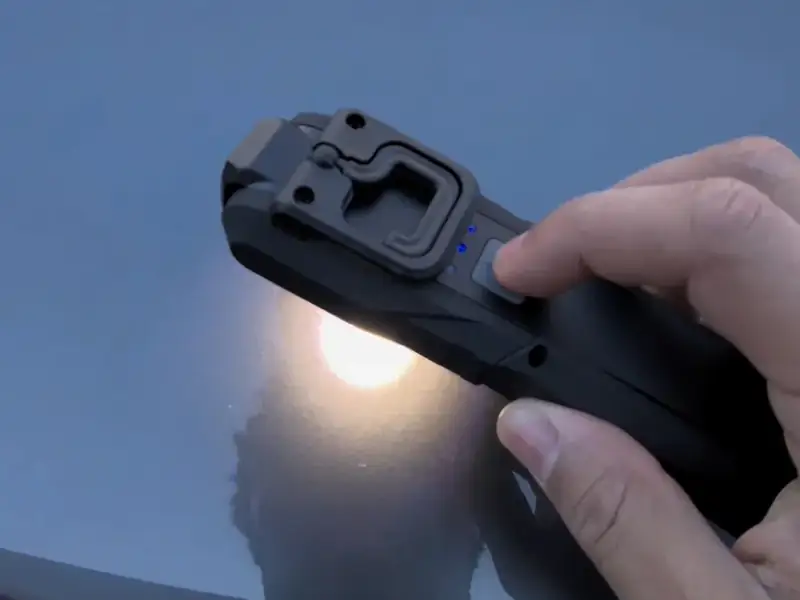
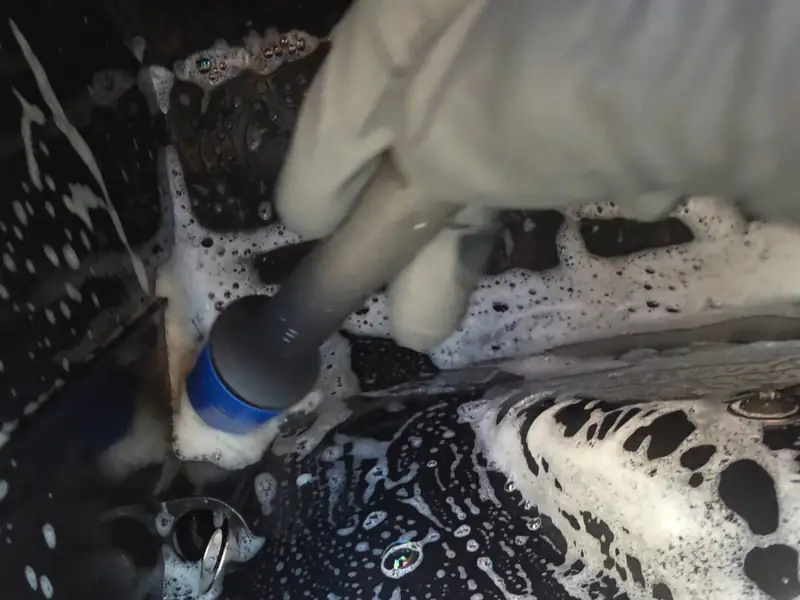
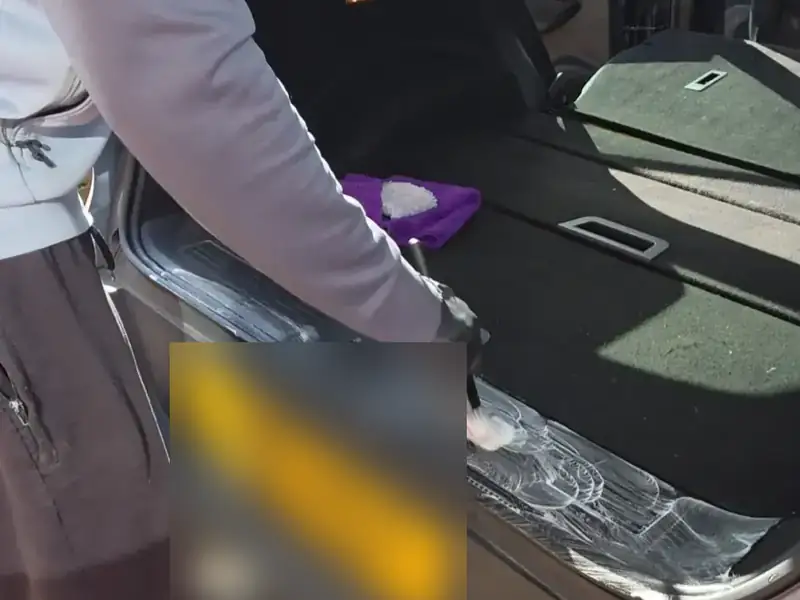
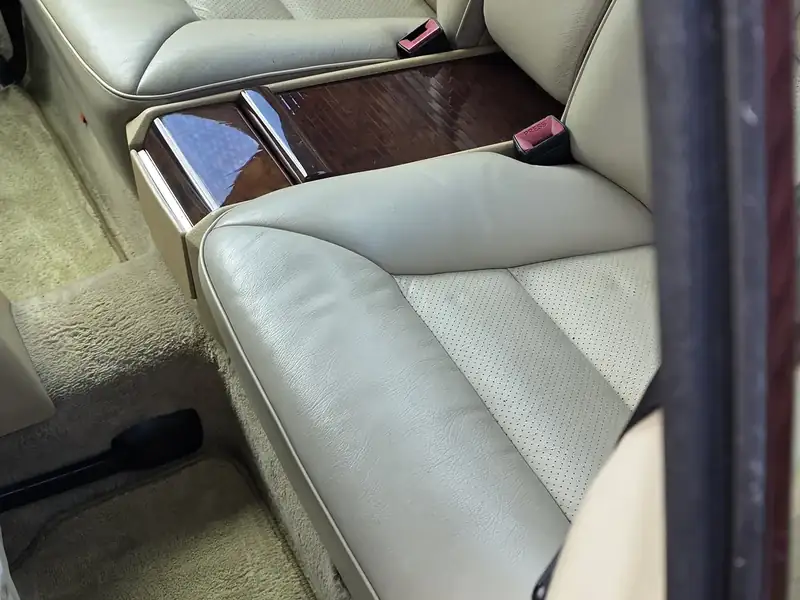
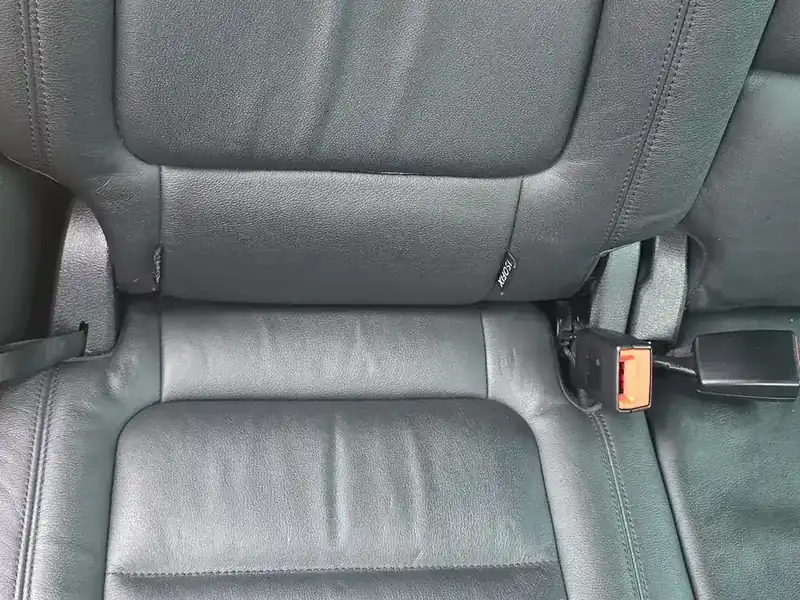
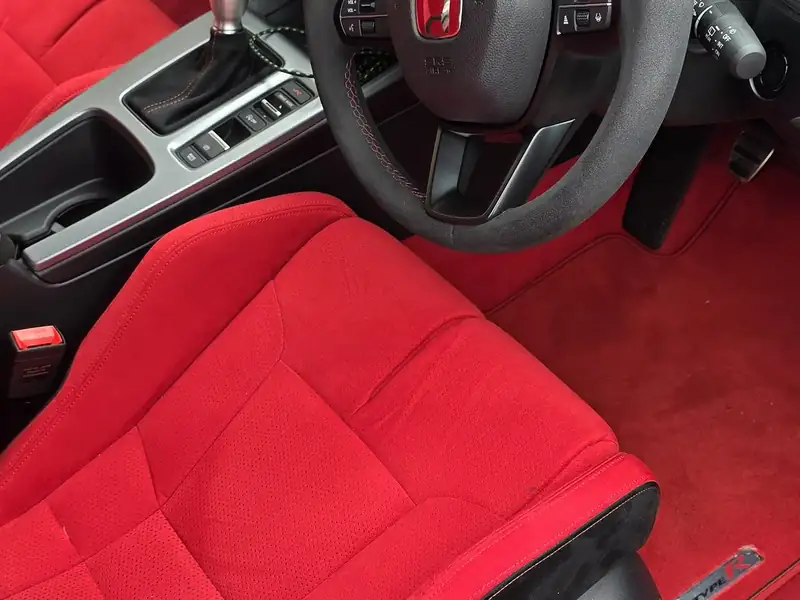
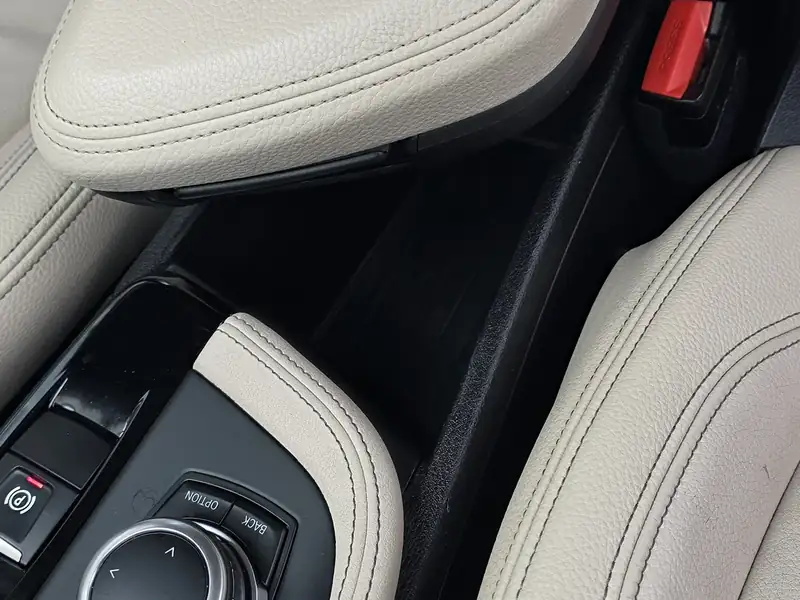
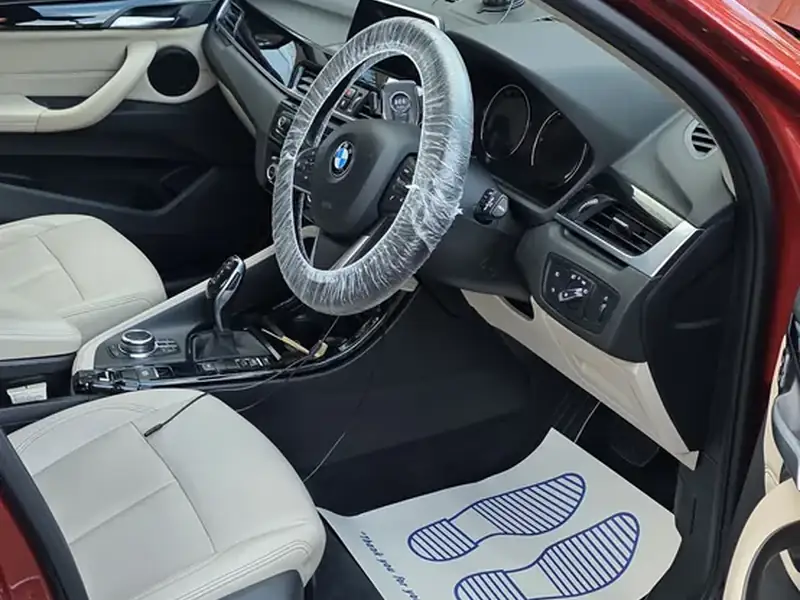
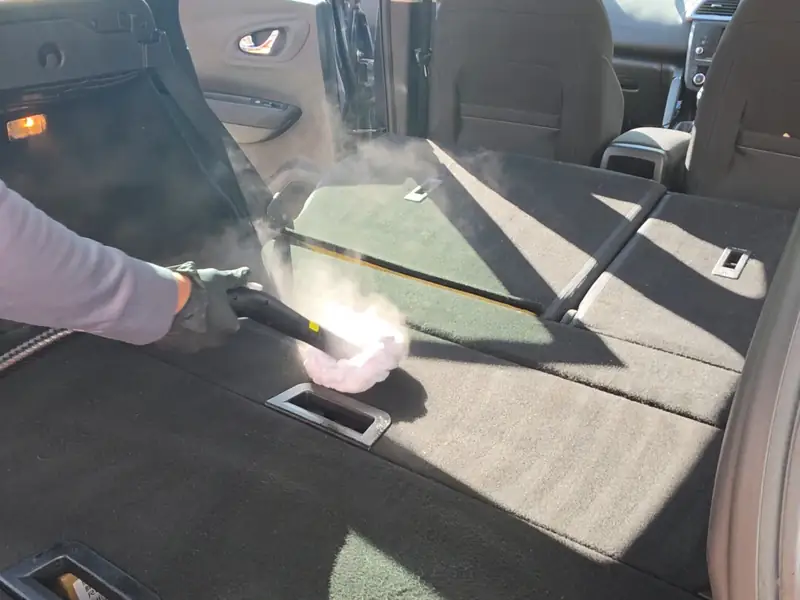
Every car detailing before and after starts with one of these. A cross-section of what comes through — family SUVs, exec saloons, the occasional something special.
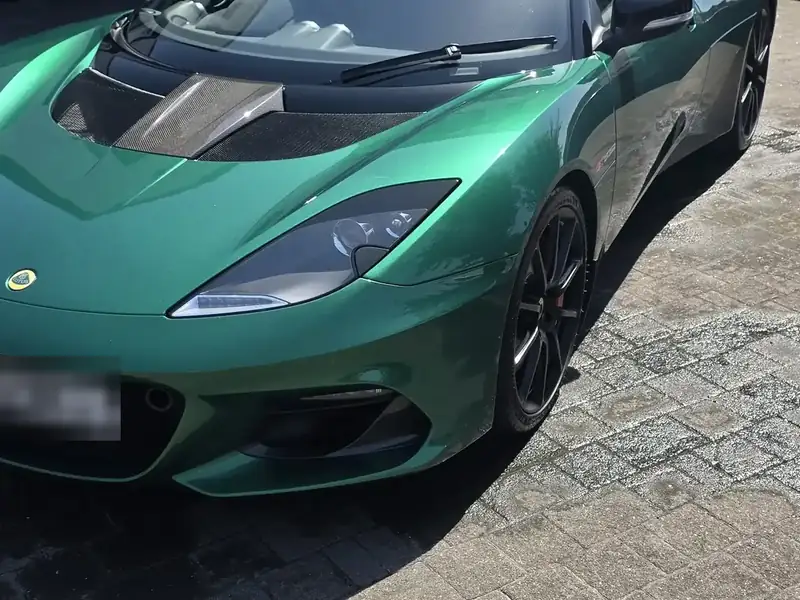
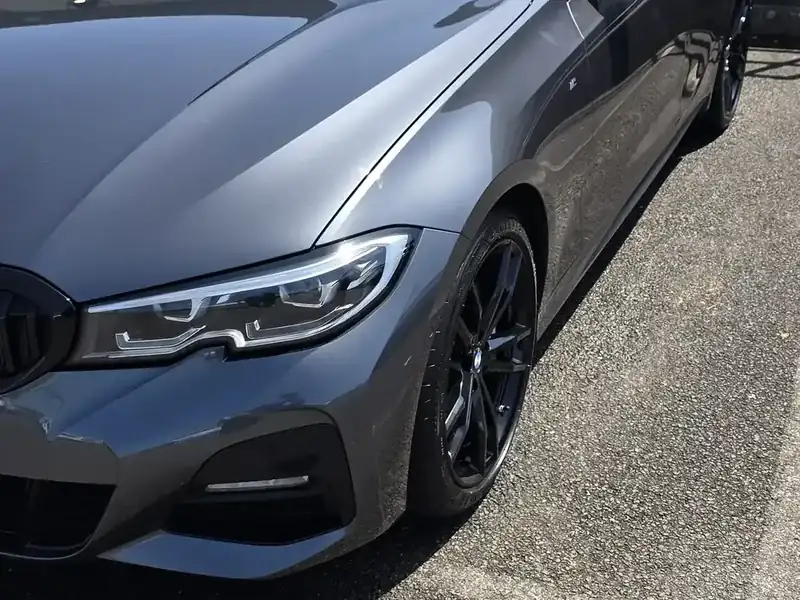
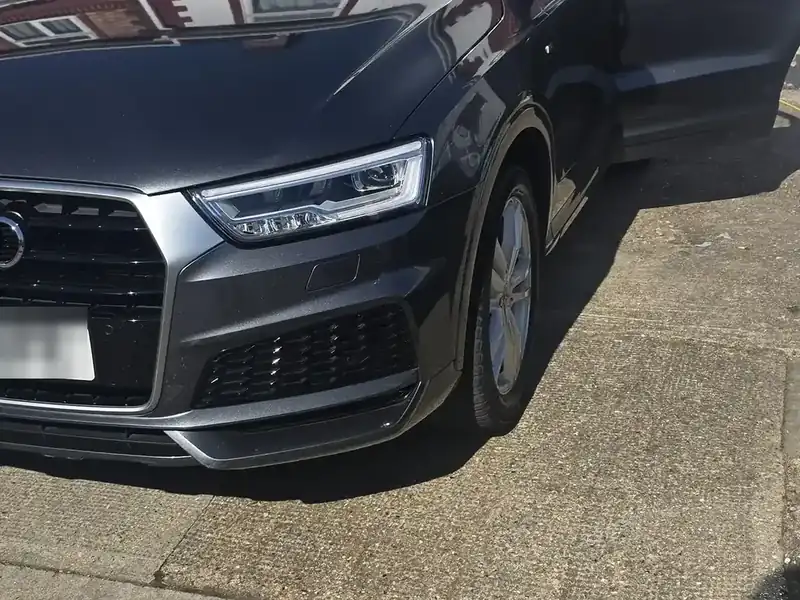
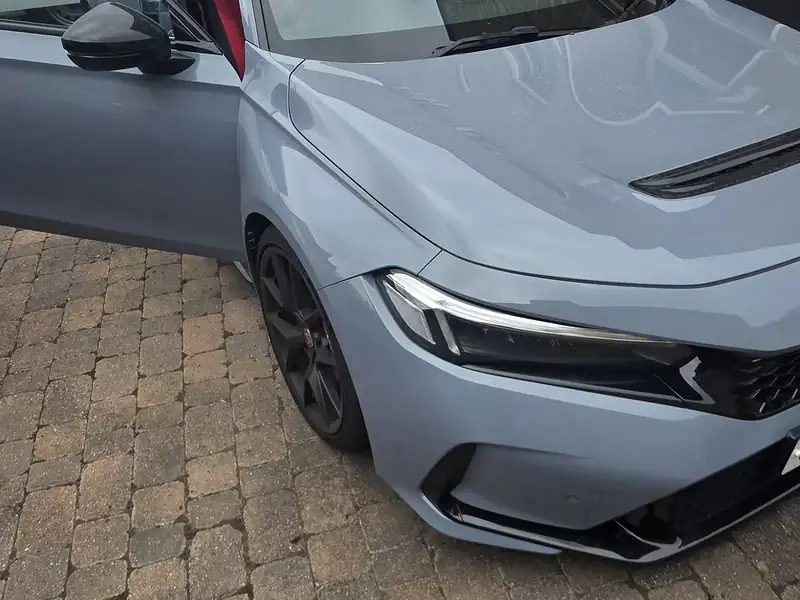
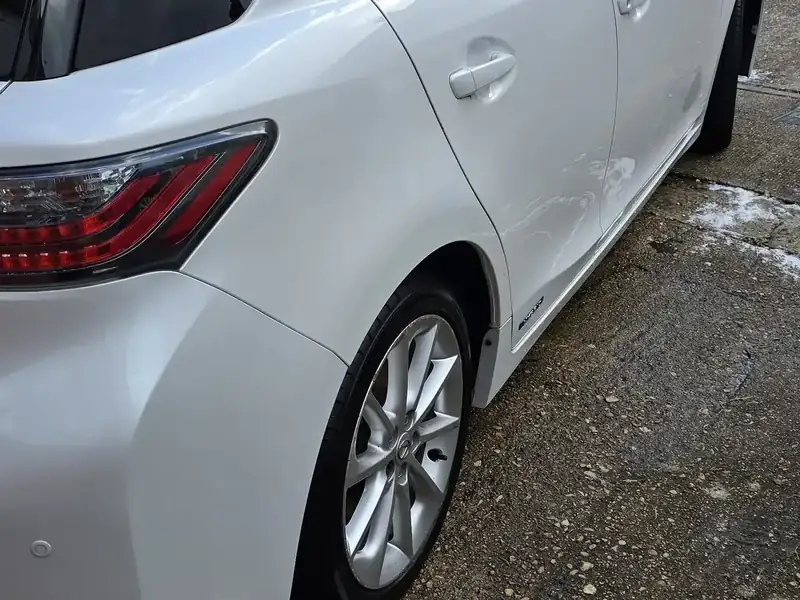
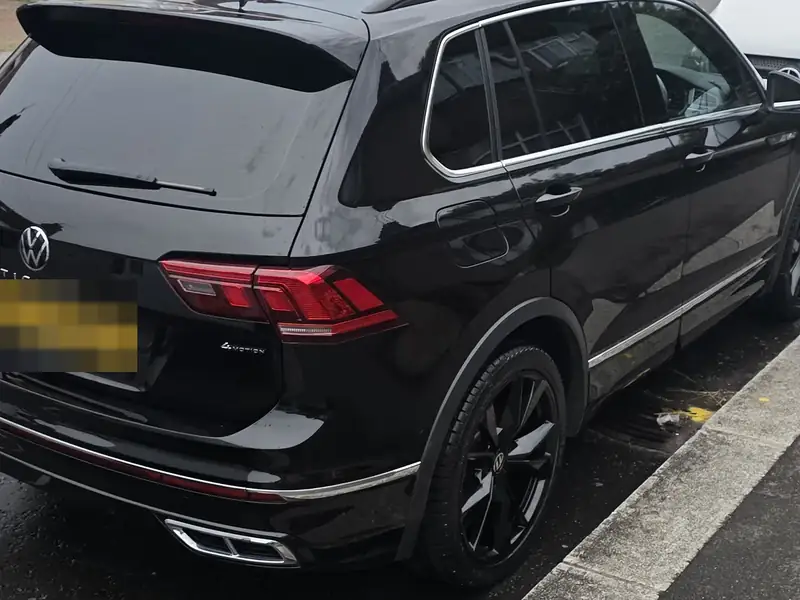
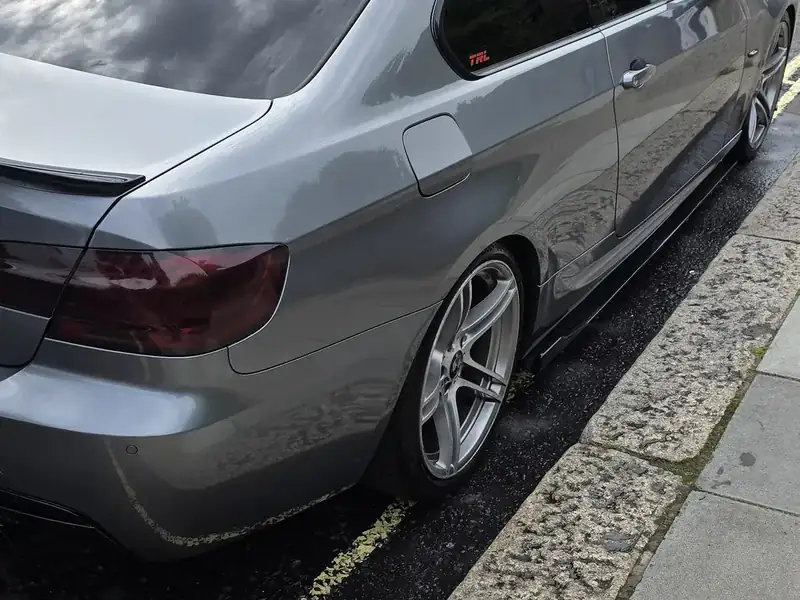
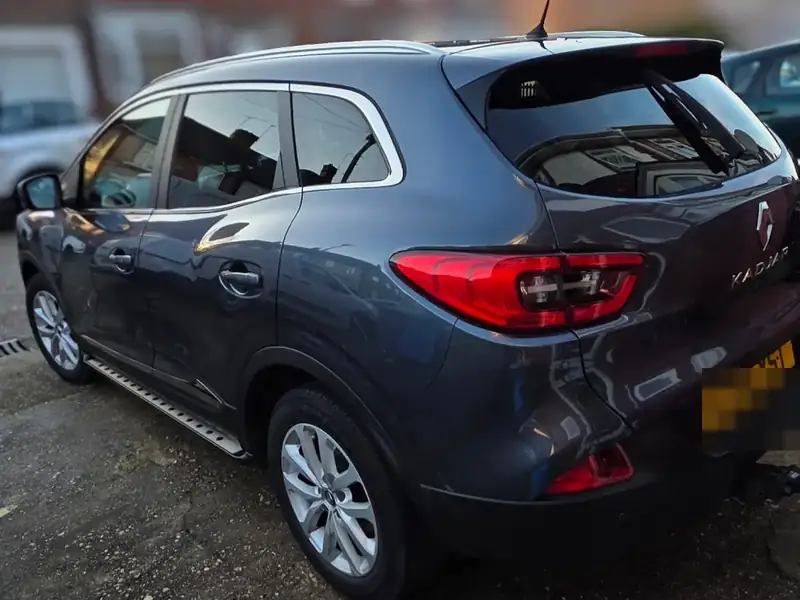
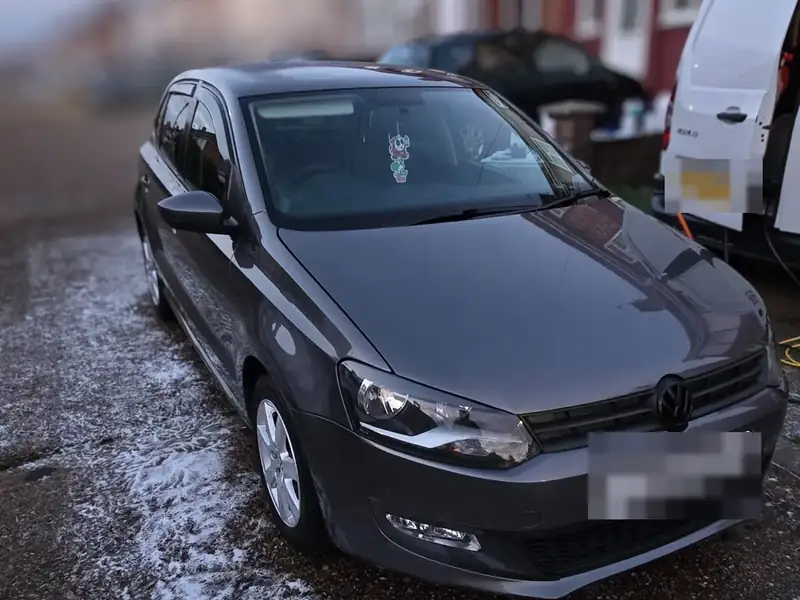
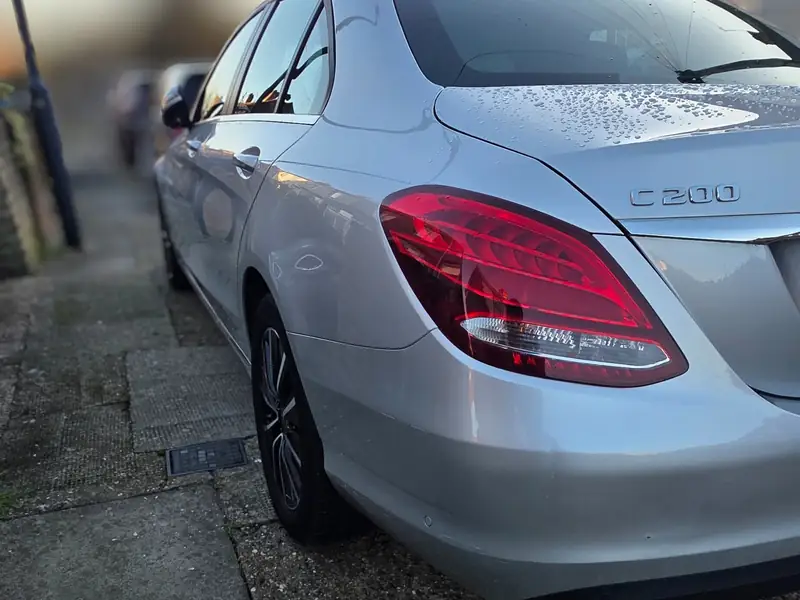
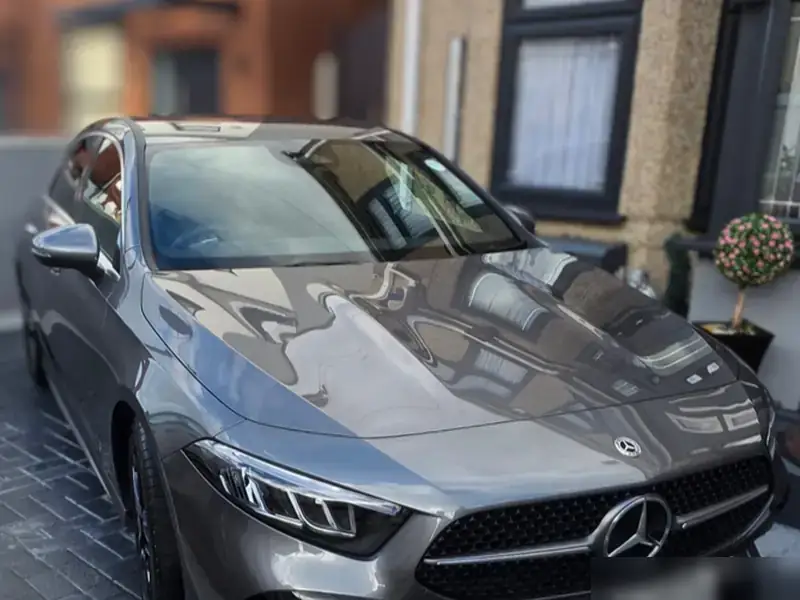
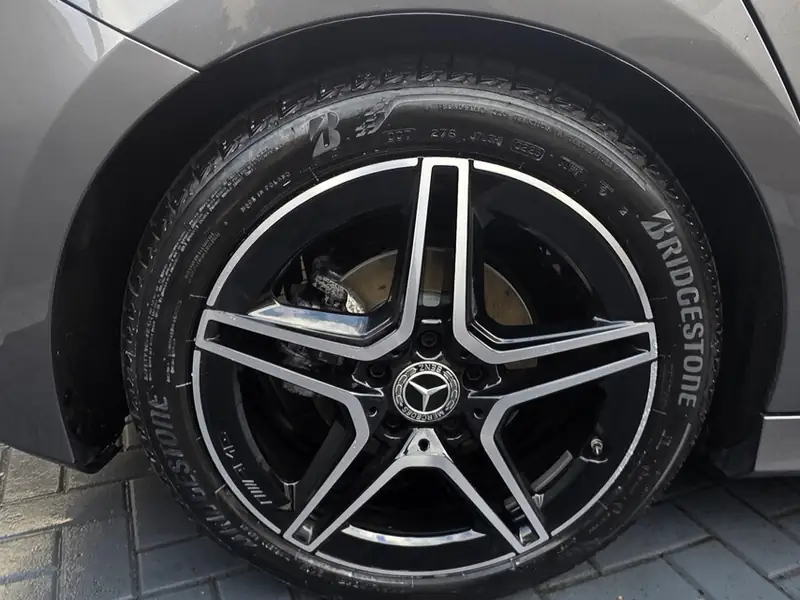
More often than most people manage, and less often than you’d think. A car washed properly every two to four weeks on a sealed surface barely ever gets to the state you see on the left of these photos. The dramatic before-and-afters happen when a car has gone six months or a year without proper attention — at which point it takes three to six hours to bring back what a regular wash would have maintained in ninety minutes.
That’s the honest economics of it: rescuing a car costs more than looking after one. If you find yourself booking a Full Detail every year to undo the same damage, the membership works out cheaper and your car never gets to that state in the first place.
The interior shots are worth a closer look too. Fabric and carpet don’t just get dirty on the surface — grit works down into the pile and grinds away at the fibres every time someone sits down. That’s why extraction matters and why a vacuum-and-wipe, however thorough, can’t produce the same result. You’re not cleaning a surface, you’re pulling dirt out of a material.
Three things are worth looking for in any detailer’s photos, including mine.
Look at the reflections, not the shine. Any wax makes paint shiny for a fortnight. What tells you the work was done properly is whether reflections in the paint are sharp or hazy. Sharp edges mean the surface is actually flat and clean. A blurry reflection means there’s still contamination or swirling under the gloss, whatever the shine suggests.
Look at the edges and shuts. Door jambs, boot lips, the strip under the bonnet — that’s where a rushed job shows. Anyone can make a bonnet look good. Cleaning the parts nobody photographs is the difference between a wash and a detail.
Look at the wheels and arches. Brake dust bakes on and arches collect months of road grime. If those look untouched while the paint gleams, the car was cleaned for the camera rather than for the owner.
A car detailing before and after photo is easy to fake — bad lighting on the left, sunshine on the right, and suddenly any wash looks like a transformation. So here’s what’s honest about these.
They’re shot on the same phone, in the same spot, minutes apart. The lighting is whatever the weather gave me that day. Some of them were taken in overcast NW London drizzle, which is the least flattering light there is, and the difference still shows.
What you can’t see in a photo is the part that matters most over time: whether the paint was washed safely to get there. Anyone can make a car shiny for an afternoon with an aggressive polish and a glaze. Doing it without putting swirl marks in is the actual job.
One more honest note about car detailing before and after photography: the after is the easy half. Any detailer can show you a clean car. What these photos can’t show is whether the finish lasted — whether the sealant went onto clean paint or over residue, whether the interior was dried properly or left damp under the carpets. That’s why the reviews matter alongside the photos: the people writing them have lived with the result for weeks, not seconds.
If you’re comparing car detailing before and after galleries, ask for the most recent work rather than the best ever. Anyone can have a good day. A gallery that updates every week tells you what an ordinary Tuesday looks like — and that’s what your car will get.
Want to see more? There’s a lot more on Instagram, updated after most jobs.
Pick your package and I’ll bring everything to your door. Every job gets photographed — yours might end up on this page.